

Industrial automation continues to evolve, and in 2026 the dominant trend is clear: adopting flexible automation models capable of adapting to a rapidly changing market. Within the framework of Industry 4.0, industrial companies require more agile, scalable, and efficient production systems to remain competitive.
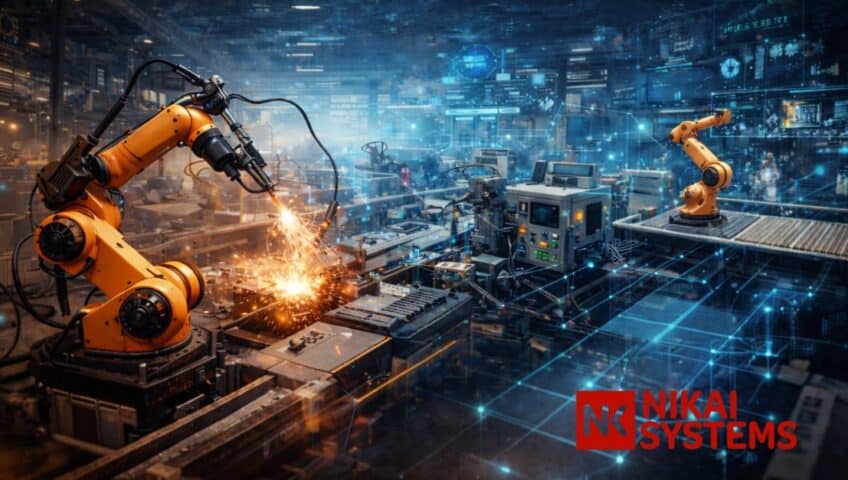
Flexible automation enables manufacturers to modify production processes without major structural investments. Through modular systems, reconfigurable robotic cells, and advanced industrial control solutions, plants can adjust production volumes, switch product references, or introduce new products quickly and safely.
For industrial SMEs, this approach represents a key competitive advantage: optimizing resources, reducing risk, and improving return on technology investment. For large enterprises, it provides an effective response to market volatility, product customization demands, and supply chain disruptions.
Another essential factor in modern industrial automation is industrial systems integration. Seamless communication between machinery, PLCs, SCADA systems, and management platforms provides a comprehensive view of the production process. This integration enhances traceability, reduces downtime, and supports real-time production process optimization.
Moreover, flexible automation contributes to improved energy efficiency and industrial sustainability—two increasingly important factors in strategic decision-making.
At NIKAI SYSTEMS, we design and implement industrial automation solutions tailored to each company’s specific needs, combining technology, scalability, and long-term vision.
“Investing in flexible automation is not just about modernizing production—it is about securing long-term industrial competitiveness”.
Write a Comment